
Navigating 2026 as a Freelance Designer (Series 1)
Dear Designer Tribune community,
As we step boldly into January 2026, a transformative wave sweeps brand identity design. This shift celebrates human creativity’s raw, emotional power over AI’s flawless uniformity. Forecasts from Canva, Adobe, Creative Bloq, Kittl, and VistaPrint confirm: 2026 marks the Year of Imperfect by Design.
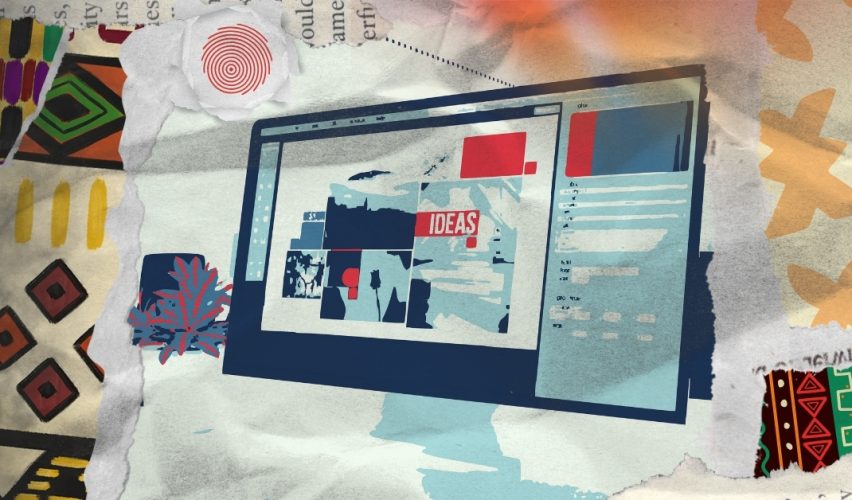
This deliberate rebellion rejects the hyper-polished digital outputs that have dominated in recent years. Designers are now reclaiming tactile textures, hand-crafted imperfections, naive doodles, blurred gradients, organic shapes, layered collages, and bold maximalism elements that pulse with life and declare, “A human with soul created this.” These new approach, counters AI’s cold efficiency, infusing work with the warmth and unpredictability only people provide.
Canva reports a 90% surge in DIY and collage-inspired searches, signalling a widespread demand for hands-on creativity. Experts term it the “tactile rebellion” or “Anti-AI Crafting.” These styles evoke warmth, storytelling, and genuine connection in a world craving authenticity amid endless algorithm-generated content.
For budding African brand identity designers, this moment proves electric and empowering. Africa’s rich heritage has always embodied this human touch through traditions prioritising cultural depth, community stories, and handmade artistry over mechanical perfection.
Consider Kente cloth from Ghana: intricate woven strips feature symbolic colours, gold for royalty and wealth, green for growth and harvest, and motifs drawn from proverbs, history, and daily life. Each piece carries intentional variations from the weaver’s hand, creating textured, vibrant patterns full of meaning.
Similarly, Adire textiles from Nigeria use indigo dyeing with resist techniques like stitching or stencilling, yielding organic, flowing patterns with natural imperfections that add unique character and texture.
Adinkra symbols, also from Ghana, consist of geometric, proverb-based icons stamped on cloth to convey wisdom, resilience, community values, and spiritual concepts. Their bold, expressive forms layer multiple meanings in simple yet profound ways.
These traditions feature hand-woven textures, intentional imperfections, layered meanings, and expressive forms that prioritise emotional and cultural depth over mechanical precision, qualities mirroring 2026’s trending styles.
In 2026, these roots become your global superpower as a freelance designer. Where AI churns out generic, soulless visuals, your culturally grounded imperfections, uneven lines, expressive marks, and textured layers deliver the emotional depth clients crave for standout branding projects.
Clients worldwide seek designs that tell stories and forge connections. Your quirks, inspired by Africa’s diverse traditions, are now premium: naive doodles for playful typography, organic shapes breaking grids for dynamic logos, tactile textures (scanned fabrics or ink bleeds) for immersive packaging, and maximalist collages blending symbols for unforgettable visual systems.
The best part? No expensive tools or software subscriptions are needed. Raw experimentation with everyday materials levels the playing field for emerging talents, allowing you to compete globally from day one.
Reclaim your edge today by diving into simple, aligned experiments that bridge heritage with 2026 trends. Scan real materials like woven fabrics or hand-drawn marks and layer them digitally for authentic depth in branding assets. Sketch freely on paper, embracing “errors” and uneven lines for childlike charm that echoes the spontaneity of African vernacular creativity. Soften harsh edges with dreamy blurred gradients and incorporate fluid forms drawn directly from cultural motifs for natural, emotive flow. Juxtapose patterns, symbols, and typography boldly to build rich, narrative-driven identities that feel alive and layered with purpose.
Your challenge this week: Set digital perfectionism aside completely. Use your everyday basic supplies: pen, paper, fabrics, or found objects and sketch naive shapes inspired by your heritage. Draw from Adinkra symbols to symbolise wisdom or Kente-inspired weaves to capture rhythm and vibrancy. Add textured scraps or cultural motifs by hand, scan your creation, and enhance it subtly with blurred gradients in your preferred design tool. Craft one unpolished piece that’s powerfully, authentically you, imperfections and all.
Share it in the comments or on our community channels; this small act builds momentum and visibility.
This hands-on foundation powers the rest of our 4-week series on navigating freelancing success in 2026. Next week, we’ll explore building a professional, 2026-ready portfolio from these very experiments, even if you’re starting fresh with no prior client work.
Which cultural element or imperfect touch are you most excited to reclaim this year? How do you see African heritage fueling your brand identity projects? Share your experiments, thoughts, or early sketches in the comments. I’ll personally feature standout stories to spotlight our community’s rising talents and inspire greater global visibility for African designers.
To a year where African creativity confidently leads the human rebellion in design,
Tiebet-Abasi Ekandem
Editor, Designer Tribune